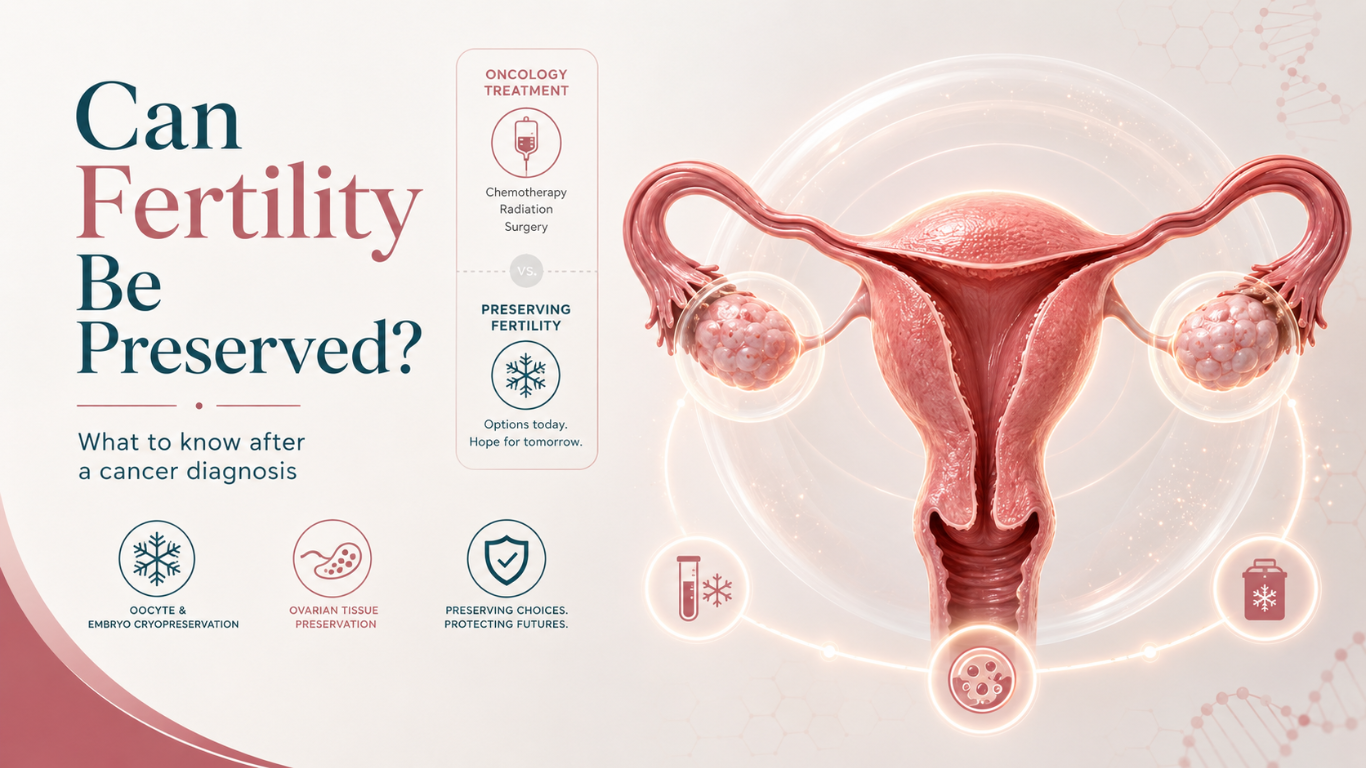
For young women diagnosed with certain early-stage gynecologic cancers, fertility-sparing surgery can treat cancer effectively while preserving the possibility of future pregnancy. This blog explains which cancers may allow fertility preservation, how eligibility is determined, and what the evaluation and treatment process typically involves. Written with guidance from Dr. Shiva Gautam, Consultant Gynecological Oncologist at Fortis Hospital Noida, it addresses one of the most emotionally significant questions many young patients face after a new gynecologic cancer diagnosis, offering clear, honest information to support informed decision-making.
- Understanding symptoms, diagnosis, and treatment choices to help women approach gynecologic health concerns with greater clarity and confidence.
- Exploring cancer care options according to the type, stage, and individual circumstances of each patient and clinical situation.
- Keeping patients informed about evolving surgical techniques, treatment approaches, and developments in gynecologic oncology.
- Highlighting the importance of timely medical evaluation, appropriate follow-up, and informed conversations with a gynecologic oncology specialist.
For young women facing a gynecologic cancer diagnosis, medical concerns are often accompanied by a deeply personal question: will I still be able to have children? While cancer treatment must always prioritize effective disease control, advances in gynecologic oncology have made fertility-sparing surgery a genuine option for carefully selected patients with certain early-stage cancers.
Understanding Fertility-Sparing Surgery
Fertility-sparing surgery refers to surgical approaches that treat cancer while intentionally preserving the uterus and, where possible, healthy ovarian tissue, allowing for the possibility of future pregnancy. This is different from standard cancer surgery, which often involves removing the uterus and ovaries as part of comprehensive treatment. Fertility-sparing approaches are only considered when they do not compromise the effectiveness of cancer treatment.
Which Cancers May Allow Fertility Preservation
- Ovarian cancer: In select early-stage cases, particularly certain tumor types confined to one ovary, removing only the affected ovary and fallopian tube while preserving the uterus and healthy ovary may be a safe option.
- Cervical cancer: For very early-stage disease, procedures such as a cone biopsy or radical trachelectomy — which removes the cervix but preserves the uterus — may allow future pregnancy, though delivery typically requires a cesarean section.
- Endometrial cancer: In carefully selected young patients with very early, low-grade disease, hormonal treatment may occasionally be considered as an alternative to hysterectomy, under close monitoring, rather than immediate surgery.
How Eligibility Is Determined
Not every patient or every cancer diagnosis is suitable for fertility-sparing treatment. A gynecologic oncologist evaluates several factors before recommending this approach, including the specific tumor type and subtype, grade (how aggressive the cancer cells appear), stage (how far the cancer has spread), and specific features identified through imaging and pathology review. Because choosing fertility preservation when it is not medically appropriate could compromise cancer outcomes, this decision requires careful, individualized assessment rather than a blanket approach.
The Evaluation Process
If fertility preservation is a priority for you, it's important to raise this early in your consultation, ideally before any surgery is performed, since some fertility-sparing options are only possible with specific surgical planning from the outset. Your gynecologic oncologist will typically review detailed imaging and biopsy results, and may recommend consultation with a fertility specialist to discuss reproductive planning and expectations alongside your cancer treatment plan.
What Fertility-Sparing Treatment Does and Doesn't Guarantee
It's important to have realistic expectations: fertility-sparing surgery preserves the possibility of pregnancy, but it does not guarantee it. Some patients may still face fertility challenges related to their specific diagnosis, prior treatment, or age, and may benefit from fertility specialist support even after successful fertility-sparing cancer surgery. An honest conversation with your gynecologic oncologist about these possibilities and limitations is an essential part of the decision-making process.
Life After Fertility-Sparing Surgery
Patients who undergo fertility-sparing surgery require close, structured follow-up care, including regular examinations and imaging, since the priority remains long-term cancer surveillance alongside fertility goals. Many patients go on to safely pursue pregnancy after treatment, sometimes with support from fertility specialists, though timing and monitoring recommendations vary based on the specific cancer and procedure involved.
The Emotional Side of This Decision
Balancing cancer treatment with fertility goals is rarely a simple medical decision — it often carries significant emotional weight, involving hopes for the future alongside immediate health concerns. A supportive gynecologic oncologist will take time to listen to these concerns, answer questions honestly, and involve you fully in decisions about your own body and future family planning.
Questions to Discuss With Your Doctor
If fertility preservation matters to you, consider asking your gynecologic oncologist directly whether fertility-sparing surgery is a safe option for your specific diagnosis, what the procedure would involve, how it might affect your future fertility and pregnancy, and what follow-up monitoring will be needed afterward.
A Message of Hope
A cancer diagnosis at a young age does not automatically mean giving up on the dream of having children. With careful evaluation and the right surgical approach, many young women can safely preserve their fertility while still receiving effective, thorough cancer treatment. If this is a priority for you, don't hesitate to raise it clearly and early with your gynecologic oncologist.